
Why Don't We Share What We Write?
Post-Meeting Write-up from the Foothills Writers' Group meeting on Nov. 2026.
It's not a stretch to say that we writers - as a species - tend to be an introspective lot, with our heads in the clouds, in a book, or buried in our screens & notebooks. Our minds are full of ideas, emotions, characters, stories, and worlds dying to spill onto the page.
Yet when it comes time to share our creations with others, the torrent of thoughts can suddenly dry up. This instinctive reticence can be so strong that we withhold our ideas, characters, world, and stories entirely; never, ever, ever sharing them with anyone.
This tendency does ourselves, our stories, and our craft a disservice. That's not to say we should share our words openly with everyone all the time, but sharing our ideas, stories, and inspirations is write is vital for growing & thriving as creatives.
Which raises the question:
Why Exactly Don't We Share?
The theme of our Nov. 2026 Monthly Meeting was an open discussion about this exact question. The following is a collection of editorialized summaries of the discussions we had exploring the above question.
Please note this isn't a comprehensive academic analysis or rock-solid objective advice. It is an exploration of ourselves in the spirit of sharing of how we - as a community of writers - can learn from & grow with one another.
The Burden of Expectations; The majority of writers do not write professionally. Like most people, we have other responsibilities outside of our writing. As such, our passions & ambitions are often stifled by the expectations placed upon us by the society we live in. The two most common expectations our members felt they were struggling with were:
- Motherhood; For women, there is a societal expectation that any time or energy spent outside of taking care of our kids or performing "acceptable" motherly duties is wasted, and our energies should be solely focused on our "motherly duties". Any time or energy spent on doing things for ourselves is seen as neglectful, selfish, and we're a terrible person for having interests or aspirations outside of our role as "mother".
- Providership; For men, there is a societal expectation that every moment spent not "grinding" is unproductive, and that all of our energies should be solely focused on advancing our career & making money. There is a tacit pressure to monetize our hobbies, and that engaging in things we enjoy merely for the sake of enjoyment is "wasteful".
We - Humans - are hard-wired to internalize the expectations of others. We learn to "perform" the roles we are expected to play, and learn to judge & criticize ourselves when we deviate from these socially imposed expectations; passively absorbing the responsibilities & duties we are expected to fulfill until they become second-nature to us; even when meeting these expectations makes us miserable.
If you have the privilege to ask any senior citizen what they regret most in life, or what they wish they could go back & do differently, I guarantee the answers you will get are some variation of:
Living for the sake of meeting other's expectations isn't a life worth living.
There are no greater burdens than the ones we place upon ourselves.
Their greatest regrets are they didn't just do what they wanted in spite of expectations - either others' or their own.
Facing one's own internalized expectations is by no means easy. Humans are hard-wired to be sensitive to other people's opinions;a social survival mechanism baked into our brains from our hunter-gatherer ancestors.Facing down our primal social-fears can be downright anxiety-inducing, heart-pounding, or even pants-wetting.
However, when we find the courage in yourself to confront that nagging little voice in your heads and say, "I am NOT a bad person for having hobbies I enjoy!", "I am NOT wasting my time by doing the things I like!", "I am going to do what I want with my life!", then we'll find how liberating such a confrontation can make us feel.
Of course that nagging voice won't just go away overnight, but the more we confront our insecurities, our anxieties, and our self-imposed expectations, the quieter they will become.
Criticism is Painful; Writing is a deeply personal & self-reflective exercise; a reflection of our thoughts given shape in words. Sharing anything that comes from within, especially if it resonates deeply with our lived experiences, our emotions, and our opinions requires exposing your vulnerabilities to others. It means opening ourselves up to the risk of harm; the possibility of our thoughts, emotions, and experiences being weaponized against us.
Exposing ourselves by sharing our writing is like peeling our skin to expose the flesh beneath; it's bloody, raw, sensitive, and real. Poking an open wound with even the gentlest of touches can hurt, and some people will pour salt in our open wounds because they're sadistic assholes who just like hurting other people. Even the most well-meaning people can inadvertently cause harm if their prodding is too much for us to handle.
Understanding our own sensitivity & readiness is vital. Everybody's sensitivity to feedback is different. Some writers enjoy publicly flaying themselves and diving into a pool of lemon-juice & salt. Some writers feel overwhelmed by even the softest of critiques. Neither of these mindsets are inherently right or wrong, better or worse, just different;with different goals & different needs.Some people just need more time & patience than others.
This is why cultivating a safe place where people feel they are safe to share is vitally important. When we first Share our words, we probably aren't looking for people to poke at the flesh beneath our skin; we want reassurance, to feel safe & secure in the face of our vulnerability. Then slowly, over time, as we peel back the skin more & more we begin to form the psychological callouses we need to withstand the poking & prodding intrinsic to feedback & constructive criticism.
Criticism Isn't Painful Enough; on the opposite side of the spectrum, some writers don't want to share their works because they the criticism they receive is too mild. Giving feedback can be just as awkward, uncomfortable, and anxiety inducing for the person being asked to give it. Rather than giving their honest opinion, many people will simply give we generic praise simply to avoid the chance of hurting our feelings. While this social grace is borne from a place of empathy, it usually just gets in the way of honest criticism & feedback.
Imagine working for a business, and every time we ask our boss about our job performance, ask where we can improve, ask what we can do differently, and the only feedback our boss ever gives us is "You're doing just fine", then that leads us to believe we are doing our job right and we have nothing to worry about. Then when it comes time for our yearly performance review, our boss suddenly unloads a laundry list of grievances & criticisms about our job performance; telling us we're doing a crap job and we need to improve.
To quote Cheryl Bain - an FWG member - "What's the point in asking for feedback if all you're gonna do is tell me what you think I want to hear? All that proves is that either you don't care about me, or you weren't paying attention."
Being honest with ourselves & our audience is key. If we are upfront, clear, and honest about what feedback we are seeking & why, then they'll be more inclined to reciprocate in kind; inviting others to meet us where we're at with emotional honesty rather than leaving them guessing at our intentions.
There is no shame in being upfront & honest with others about what we want. Quite the opposite in fact. More often than not, people respect the self-confidence it takes for a writer to openly state what they want, why they want it, and are willing to stand their ground on their artistic vision.
Possessiveness; We can feel like our ideas are ours because of how much work we put into them. I don't think I'm saying anything radical when I say writing is hard. We our blood, sweat, and tears into our words; we made them, we feed them, we nurture them, so we feel possessive of them; "I put in the effort of actually making them, they're mine."
The reality is that no matter how much hard work & love we put into our words, we do don't sole dictat over the ways our words grow, develop, and change. In that sense, our words are like our children. We can't hide our children away from all contact with the outside world out of fear that they deviate from our narrow vision for them; that they might grow into something new & different that we cannot directly control.
Like children, we must give our ideas, our characters, and our worlds the respect, independence, and space they need to grow & become the best versions of themselves they can be. Our objective as a writers isn't to mould our stories into what we think they should be, it is to shepherd and guide them to become the best versions of themselves that they can be.
The Fear of Theft; Sharing our ideas means exposing ourselves to the possibility of someone stealing our ideas for their own use. Having our ideas, our stories, our worlds stolen can cripple our self-confidence, destroy our trust in others, and have the benefits of our labour parasitized.
This fear isn't unfounded either. There is a multitude of examples over the decades where a writer has shared their idea for a story - either in person or online - where another person took their idea, wrote a low-effort version of their story, copyrighted it, and sold it as their own. With the rise of LLMs and AI it's easier than ever for a thief to take your idea, churn out a barely legible facsimile of your story, copyright your ideas, and push it out for sale on some digital storefront.
Thieves lack originality. They must take other's ideas because they have none of their own. They can only copy what already exists. What distinguishes an inspired artist from a copycat is the ability to take an idea and make their own version of it.
Even if someone takes our ideas, feeds them into an AI, and sells them, they haven't actually stolen anything from us. Nobody owns ideas, only the products created using those ideas. The hypothetical thief cannot steal the thoughts out of our head, we still have them. Just because the thief used those ideas, that doesn't mean they stole our ability to write our stories our way.
Standards Exceeding Skills; Especially when we're starting out, our taste in art is more refined than our artistic skills. We lack the ability to create art that matches our standards for "good art" because we lack practice; shaping our thoughts, ideas, and worlds with words is difficult. And the process of learning & refining our skills can take years of writing, drafting, editing, rewriting, and re-editing until we feel our writing is "good enough" to meet our own expectations; a prospect many prospective writers find incredibly demotivating.
Learning how to write isn't about becoming good at writing.
Learning how to write is all about sucking less at writing.
When we're starting out doing anything, we're gonna suck at it. That's just a fact of life. The trick is understanding that Perfect is the enemy of good, accept that we're gonna suck at it, and then doing it anyway.
We'll write something that sucks, then we'll learn what we can from our failure, and apply that new knowledge on the next attempt to make it suck a little bit less. Eventually, after a lot of practice, we'll find that we've learned how to not suck so well that our words start coming out pretty dang good.
Obsession with Originality; Originality is a point of fixation for many writers - the idea that everything we make must be wholly unique & never-before-seen. Letting our ideas out means they might be influenced and "tainted" by external ideas; that the "purity" of our will be ruined if we expose them to anyone or anything; that in expressing our thoughts & sharing our ideas, our characters, our worlds can make us feel as if we are losing them.
Nihil sub sole Novum - There is nothing new under the Sun. Originality is overrated, tropes & archetypes exist for a reason, and we are not monoliths that exist uninfluenced by the world around us. We are constantly influenced by the context in which we live, and the more influences we have, the more ideas we have to work with.
Writing is like cooking a stew. We cook using ingredients we like, but we can only cook with the ingredients we have. If we share ideas with one another, we increase the ingredients we have access to. However what matters isn't the ingredients themselves, it's how we use them. Which ingredients we choose to use, how we prepare them, and how we cook them is what gives our dish it's flavour, texture, and character.
Not Interested in Sharing; Writing is an intrinsically introspective exercise, and some writers are perfectly content to keep their reflections to themselves. There are a variety of reasons why someone might not share what they make, but most of the reasons boil down to the fact that either they don't want to, or they simply aren't interested in doing so. Some writers don't care what other people think about what they make, and they're perfectly content to keep their writing to themselves.
You don't need to share all the time. Writing is a tool, and there is nothing wrong with using a tool purely for our own satisfaction, enjoyment, and growth. Saying "No thanks, I don't want to share" is all the excuse you need to give if you aren't interested in doing so.
Shouldn't Share Everything; As stated before, writing is an intrinsically self-reflective exercise, which means that writing can also be deeply raw & personal. Not all writing must be - or indeed should be - shared with others. Sometimes our thoughts, our ideas, our opinions, our emotions are best kept to ourselves.
There is such a thing as oversharing. Sometimes our thoughts, ideas, and emotions are "inside-thoughts" that ought to be kept to ourselves; not because they are bad or wrong, but simply because they aren't appropriate to share.
Sharing is Caring
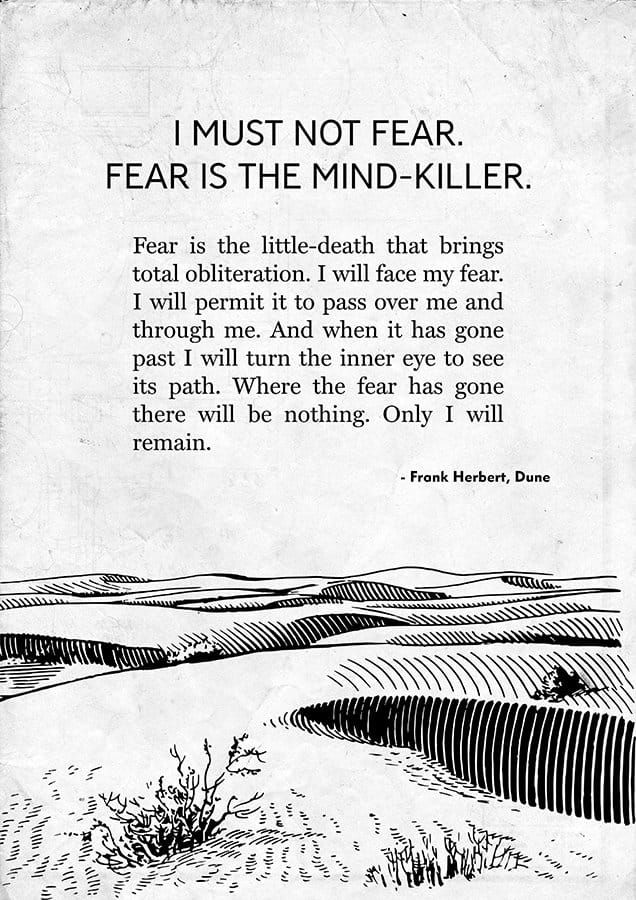
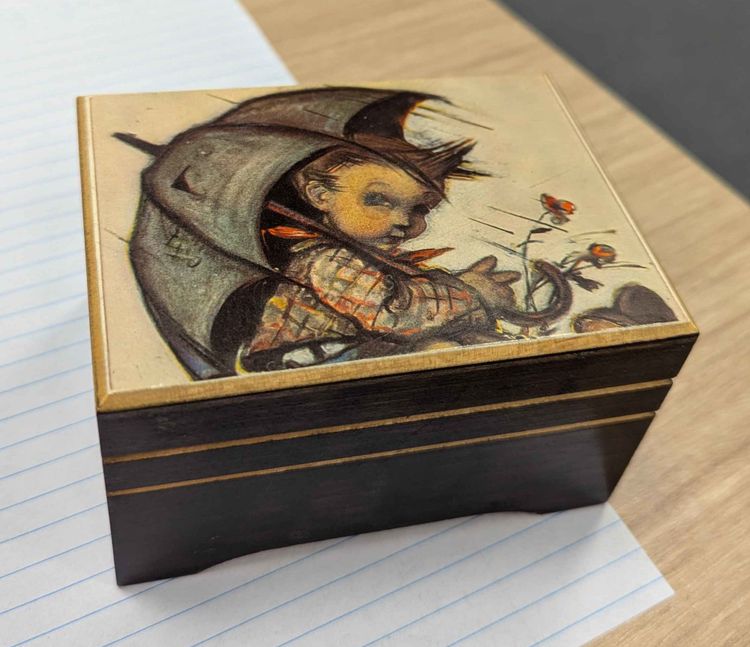
After the discussion wrapped up (it took a while) we asked everyone who brought something to share with the group to do so. As outlined in our Nov. 2026 Meeting Announcement this didn't have to be something they'd written themselves, but merely something they felt was worth sharing with others; over half-a-dozen attendees did so!
Yet beyond the inspirational quotes about personal growth, the excerpts from their books & their short stories, the parody Christmas poems, or the books that inspired them to start writing, there was one overarching thing that everyone present shared (and still shares) with one another - a passion for writing & sharing that passion with our fellow writers.
And so we say to you, dear reader, know that you are always welcome to come down & share with us at the Foothills Writers' Group!
Want to be notified of new articles, stories, and resources the moment they're published? Sign-up for free today!

Member discussion